Welcome! Check out our latest blog and exciting news.
Read more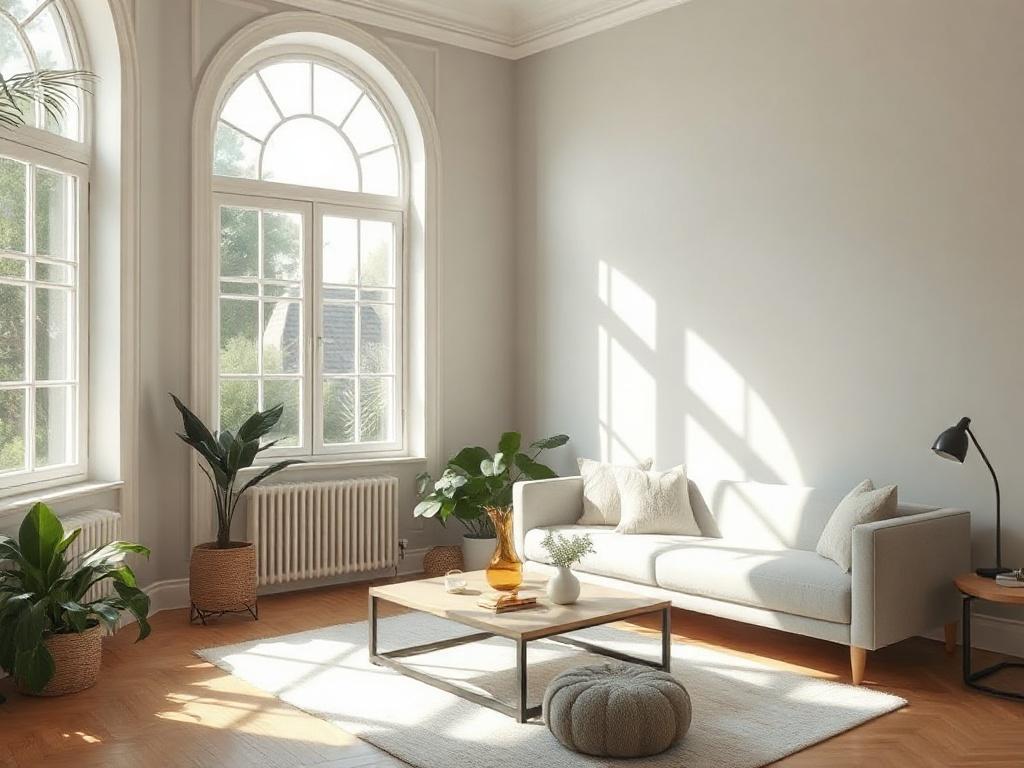
It's easy to fall in love with a paint color on Pinterest, only to bring it home and watch it look completely different on your walls. The truth is, the lighting in your space plays a much bigger role in how a color performs than any online inspiration board ever could. A shade that looks warm and inviting in one home might feel flat or overly bright in another.
If you want paint decisions that work, it's time to start with light first and trends second.
Paint color is never static. It shifts throughout the day, changes with the seasons, and reacts differently depending on the direction your windows face. A color chosen purely because it's trending on social media doesn't account for any of these variables. When you understand how light interacts with paint, you can choose colors that feel intentional and consistent, not accidental.
Before choosing any paint color, it helps to understand how natural light moves through your home throughout the day. Different rooms receive different types and amounts of light, and that alone can dramatically change how a color reads on the wall.
Rooms with north-facing windows tend to receive cooler, more consistent light throughout the day. This can make certain colors appear duller or slightly grayer than expected. Warmer tones often help balance this effect, adding a sense of coziness that counteracts the cooler light.
South-facing rooms typically enjoy bright, warm light for most of the day. This abundance of light can make colors appear more vibrant and can even wash out very light shades. Cooler or more muted tones often work well here, since they help balance the warmth already present in the room.
East-facing rooms get bright morning light that fades as the day goes on, which is worth keeping in mind if you spend more time there in the evening. West-facing rooms experience the opposite, with light intensifying later in the day. Testing paint samples at different times is especially important in these spaces, since the color can look noticeably different from morning to night.
Natural light isn't the only factor to consider. Artificial lighting can shift how a paint color looks just as much once the sun goes down. A few lighting details worth paying attention to include:
Considering how a room is lit in the evening is just as important as how it looks during the day.
One of the most common mistakes homeowners make is choosing a color based on a small swatch alone. Always test paint directly on the wall, in the room it will be used in, and view it at different times of day. Lighting changes throughout the day can make a color look completely different by evening. Taking the time to test paint properly helps avoid costly do-overs down the road.
Instead of starting with a specific shade in mind, start with the light in your space and let it guide your options. Rooms with abundant natural light often allow for bolder, richer color choices, while dimmer spaces may benefit from lighter, more reflective tones. This approach creates a home that feels cohesive and thoughtfully designed, not randomly decorated. Great design isn't about following trends; it's about understanding your space.
Choosing paint colors based on light, not trends, leads to a home that feels balanced, intentional, and uniquely yours. Every room has its own lighting personality, and understanding that is the key to getting color right the first time. Our team at Mark Sweetman Painting is here to help you navigate that process with expertise and care. Schedule a consultation with us today, and let's find the colors that truly bring your home to life.
Stay updated on the latest colors and painting news!
Thank you for signing up!
Something went wrong. Please try again later.