Welcome! Check out our latest blog and exciting news.
Read more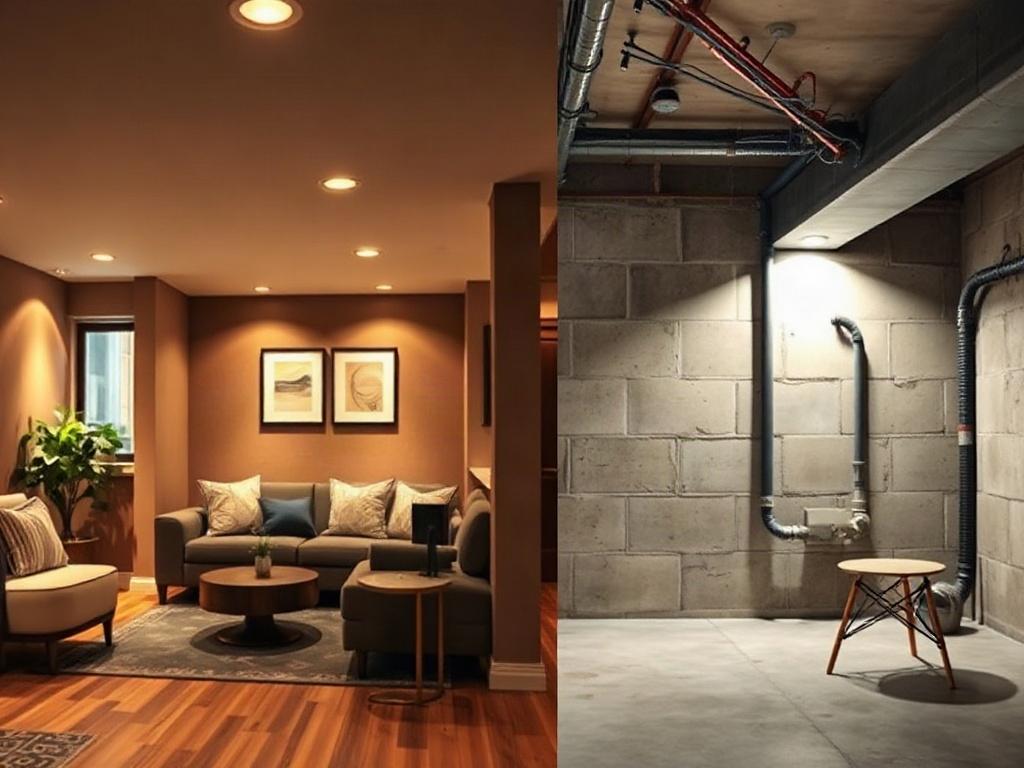
A basement renovation can add usable space without the expense of building an addition. Whether you're thinking about creating a family room, setting up a home office, or simply making the space cleaner and more functional, you'll want to consider a few things before you start. One of the biggest decisions is how much work the basement actually needs.
A fully finished basement offers the comfort and appearance of another living area, while a lightly upgraded basement can make the space more practical without requiring a major investment. Both options have their advantages, and the right choice depends on your budget, how you plan to use the space, and how much maintenance you're willing to take on.
Here's what to know about finished and unfinished basements before committing to a renovation.
The main difference is how much of the space has been converted into a comfortable living area.
An unfinished basement typically has exposed concrete floors, visible framing, exposed insulation, and open ceilings. It may serve as storage, a laundry room, a workshop, or a place to keep seasonal belongings.
A finished basement has more of the features you'd expect from the rest of your home. This often includes drywall, finished flooring, painted walls, lighting, and designated living areas. Depending on the renovation, it may also include a bathroom, bedroom, entertainment space, or kitchenette.
There's also a middle ground. A partially finished basement can include a fresh coat of paint, improved lighting, sealed concrete floors, and better storage without the expense of a full renovation.
Finishing a basement can make a noticeable difference in how you use your home. Instead of treating the space as somewhere to store boxes and holiday decorations, you can turn it into an area where your family spends time.
Some of the biggest advantages include:
A finished basement also gives you more flexibility as your needs change. A room that serves as a home office today could eventually become a guest bedroom or hobby space.
Basement renovation costs depend on the space size, the materials you choose, and how much construction is involved. Depending on your project's scope, costs can range from a few thousand dollars for cosmetic improvements to tens of thousands for a complete renovation.
For example, adding drywall, flooring, electrical work, and a bathroom will cost considerably more than painting exposed ceilings and improving the lighting.
Other factors that can affect your budget include:
Before making decisions, get estimates for the work you want completed. It's also smart to set aside extra money for unexpected repairs, particularly if your basement hasn't been renovated before.
Absolutely. You don't have to turn your basement into a fully furnished living area to make it more useful.
A lightly upgraded basement can be a practical choice if you're working with a smaller budget or don't need additional living space. It also makes sense if you primarily use the basement for storage, laundry, hobbies, or occasional projects.
Some improvements worth considering include:
These updates can make an unfinished basement feel cleaner and more intentional without requiring extensive construction. You can also spread improvements over time rather than paying for everything upfront.
No matter how much you plan to spend, a few things are worth addressing before starting any basement project.
Water damage can create expensive problems, especially if you cover it with drywall, flooring, or other materials. Check for damp spots, musty odors, water stains, and visible mold.
If you notice signs of moisture, find the source and address it before moving forward. Proper drainage and waterproofing are particularly important for finished basements.
Concrete walls and floors can develop cracks over time. Some are cosmetic, but others may indicate a larger structural or water-intrusion issue.
Have any concerning cracks evaluated before investing in cosmetic improvements. You'll want a stable, dry surface before applying paint or installing new finishes.
Basements don't always get much natural light, which can make them feel smaller and less inviting. Consider adding recessed lighting, brighter fixtures, or lighter paint colors to improve the overall appearance.
Ventilation matters, too. Proper airflow and humidity control can help prevent moisture buildup and make the space more comfortable.
Painting is one of the most straightforward ways to improve a basement's appearance, but preparation makes a big difference in the finished result. Concrete, drywall, and previously painted surfaces each require a different approach. Using the right products and preparing surfaces properly helps paint adhere and last over time.
At Mark Sweetman Painting, we understand how much the right paint job can change a space. Whether you're refreshing an unfinished basement or putting the finishing touches on a larger renovation, our team can bring your plans to life with professional painting services. We take pride in helping homeowners create clean, polished spaces that complement the rest of their homes.
There's no universal answer. A fully finished basement makes sense if you need more living space and have the budget for a larger renovation. A partially finished basement may be a better option if you want practical improvements without taking on a major construction project.
Think about how you'll use the space over the next several years, not just what you want it to look like today. A few well-planned updates can go a long way toward making your basement more functional and comfortable.
Ready to give your basement a fresh look? Contact Mark Sweetman Painting today. Our team is ready to help you find the right painting solutions for your space and bring your renovation plans to life. Let's make your basement a space you'll enjoy using.
Stay updated on the latest colors and painting news!
Thank you for signing up!
Something went wrong. Please try again later.