Welcome! Check out our latest blog and exciting news.
Read more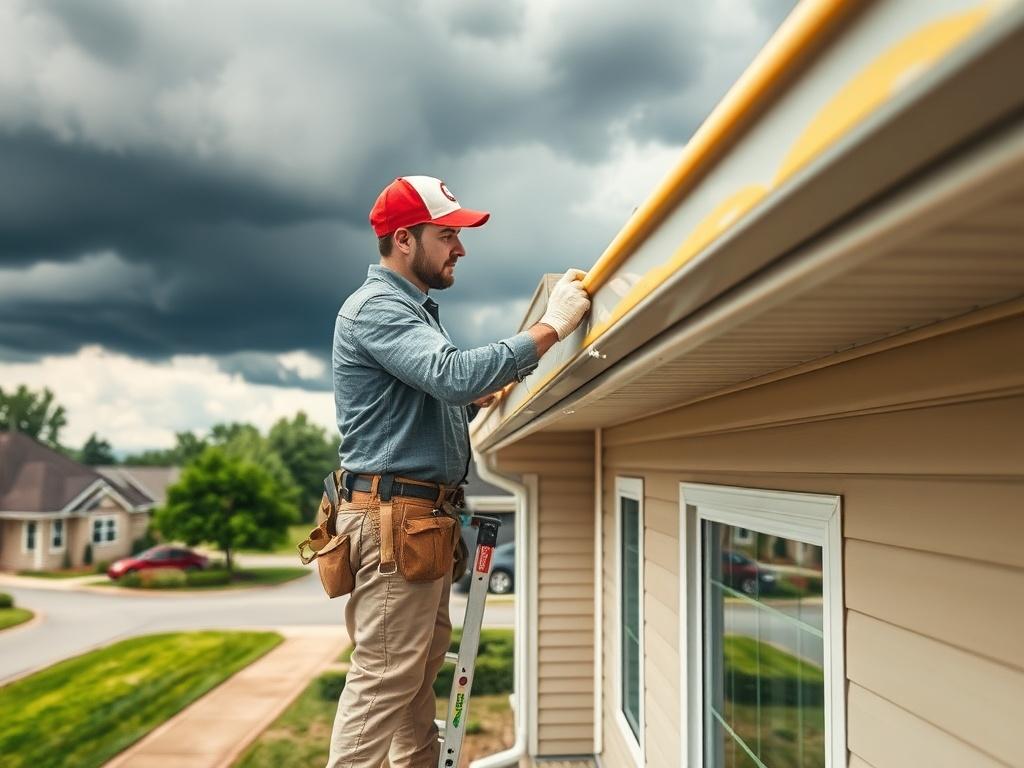
When planning an exterior painting project, many homeowners focus on color selection, cost, and timelines. However, one critical factor often overlooked is the weather. Exterior painting contractors must carefully plan around changing conditions to ensure a high-quality, long-lasting finish. While delays can be frustrating, they are often necessary to protect your investment.
Understanding how weather affects exterior painting and how contractors manage these challenges can help set realistic expectations for your project.
Exterior paint requires the right conditions to adhere, dry, and cure properly. Temperature, humidity, wind, and precipitation all influence how paint performs during and after application.
If painting is done in unsuitable conditions, it can lead to issues such as peeling, bubbling, uneven coverage, or reduced lifespan. That is why professional exterior painting contractors prioritize weather conditions just as much as surface preparation and technique.
Experienced contractors closely track several weather-related variables before and during a project. These factors determine when it is safe and effective to paint.
Important conditions include:
By monitoring these elements, contractors can plan workdays that support the best possible results.
When a project is delayed due to weather, it does not mean poor planning or inefficiency. In most cases, it reflects a commitment to quality.
Weather delays are typically short-term adjustments rather than major setbacks. Contractors may pause work for a day or two until conditions improve. This ensures that each layer of paint is applied under optimal conditions.
It is important to understand that rushing a project in poor weather can lead to costly repairs later. A slight delay now often prevents significant issues down the line.
Professional exterior painting contractors use a combination of forecasting tools and experience to minimize disruptions. While the weather cannot be controlled, it can be anticipated and managed effectively.
Common strategies include:
This level of planning allows contractors to remain productive while ensuring the painting process is completed under the right conditions.
Weather not only impacts painting. It also affects preparation, which is a critical step in any exterior project.
Surfaces must be clean, dry, and properly primed before paint is applied. Moisture from rain or humidity can delay this process, as painting over damp surfaces can compromise adhesion.
Contractors often use weather-related downtime to focus on prep work, inspections, and repairs. This ensures that once conditions improve, the project can move forward efficiently.
Understanding the role of weather can help you approach your project with realistic expectations. While it is natural to want a quick turnaround, quality results require patience.
Clear communication with your contractor is key. A reputable team will keep you informed about any schedule changes and explain the reasons behind them.
Keep in mind that:
By trusting the process, you can be confident that your home will receive a durable, professional finish.
Taking the time to work around weather conditions leads to better, longer-lasting results. Paint that is applied under ideal conditions adheres more effectively, resists damage, and maintains its appearance over time.
This means fewer touch-ups, lower maintenance costs, and a more polished look for your home. In the long run, a carefully timed project delivers far greater value than one completed too quickly.
If you are planning an exterior painting project, our team at Mark Sweetman Painting is here to guide you through every step. We understand how weather impacts your home and use careful planning to ensure your project is completed under the best possible conditions.
We focus on delivering high-quality results that stand the test of time, even when schedules need to be adjusted for weather. Our team communicates clearly, works efficiently, and prioritizes the long-term durability of your home’s exterior.
Connect with us and learn how we can help you achieve a professional, long-lasting finish for your home.
Stay updated on the latest colors and painting news!
Thank you for signing up!
Something went wrong. Please try again later.